 Business License

B-ultrasound helps manage the dry period of dairy cows
In addition to the precautions for feeding during the dry period, management work during this period should also be strengthened. B-ultrasound examinations for cattle should be used frequently throughout the period, with the focus on protecting the fetus and preventing miscarriage. Pregnant cows should be separated from bulls and from large groups of dairy cows. Frost and moldy feed should not be fed. Drinking water should not be lower than 10℃-12℃ in winter. In the hot and humid summer, cows should be placed in a cool and ventilated environment. If necessary, the nutrient concentration of the daily diet can be increased. The hygiene of the cows should be strengthened, the skin should be kept clean, and it should be wiped twice a day. Starting from the 10th day after drying up, breast massage should be performed twice a day to promote mammary gland development. It is also necessary to pay attention to proper exercise to prevent the cows from being too fat and causing delivery difficulties and constipation. In addition, the feed variety during the dry period should not change suddenly to avoid affecting the normal feeding of dairy cows during the dry period. It is also necessary to use B-ultrasound for cattle to check the body condition of cows frequently.

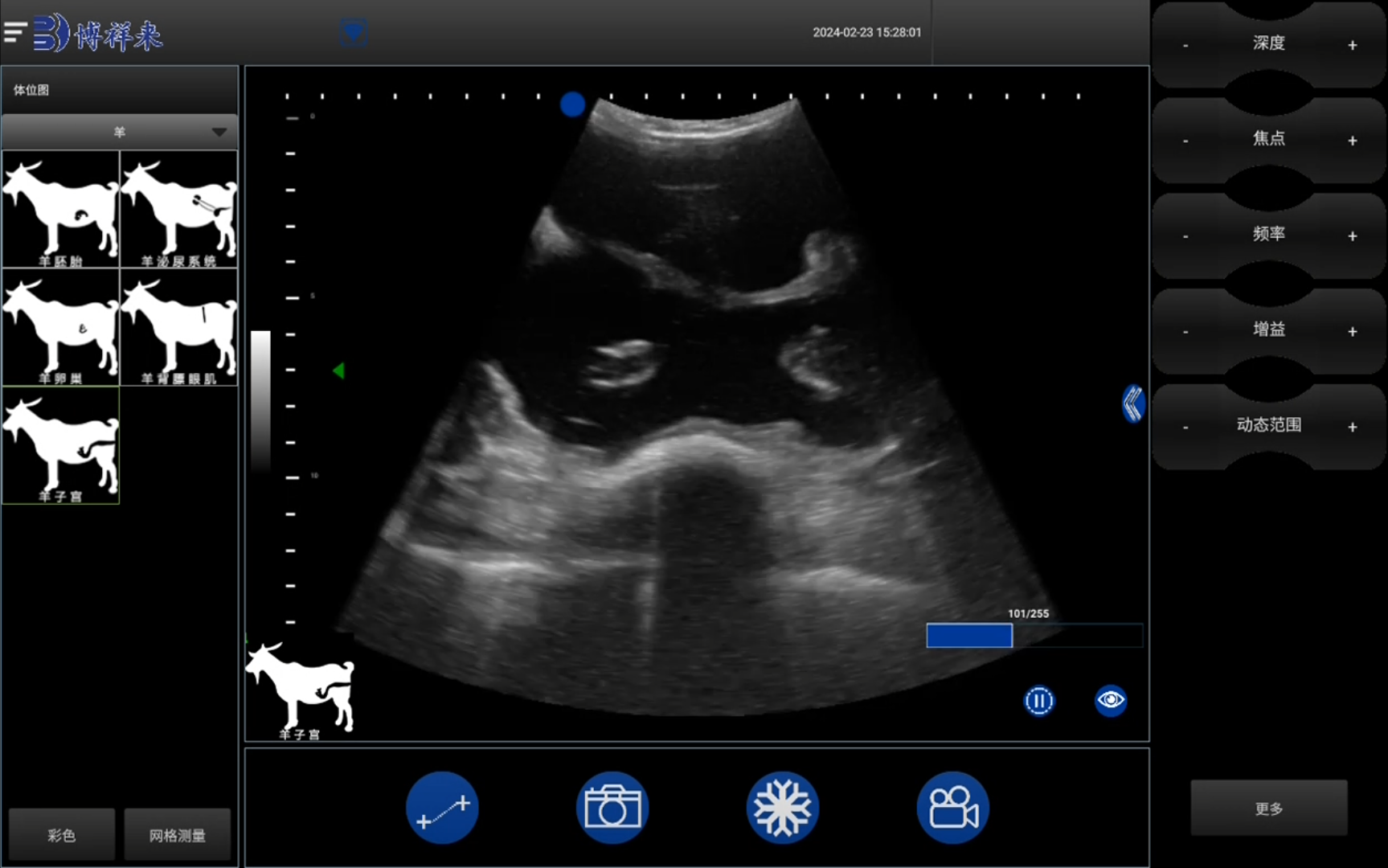
During the dry period, regarding the supplementation of trace element selenium (Se), in low-selenium areas, the selenium content in feed is low, and each cow is supplemented with 3-5 mg per day, especially when vitamin E is insufficient. Selenium deficiency may cause the placenta to be retained during delivery. Vitamin E is widely present in feed grass and is generally not lacking. If selenium deficiency is found, it should be added to the grass in the last 20 days of the dry period. Selenium and vitamin E injections can also be injected. It can be observed on B-ultrasound for cattle that the incidence of reproductive tract diseases is very high when selenium is deficient.
It is not advisable to add too much minerals during the dry period, especially alkaline mineral salts containing sodium, potassium, calcium, and magnesium. The daily salt intake should not exceed 28 grams. High salt may cause edema in pregnant cows. Especially for first-born cows, it is important to control the amount of salt fed, and the salt boxes on the playground should be stored at this time.
Recently Posted
-
Veterinary Radiology and Ultrasound: Essential Diagnostic Tools for Pet Health
October 28, 2024In the field of Veterinary Medicine, accurate diagnosis is crucial for effective treatment and improved outcomes. Veterinary radiology and ultrasound are two essential diagnostic tools that have revolutionized how veterinarians assess the health of animals. In this article, we will explore the roles of radiology and ultrasound in veterinary practice, their differences, applications, benefits, and what pet ownerRead More -
Handheld Veterinary Ultrasound Probe: A Game Changer in Animal Diagnostics
October 28, 2024The evolution of Veterinary Medicine has seen significant advancements in diagnostic tools, with the handheld Veterinary Ultrasound probe standing out as a transformative technology. This portable device offers veterinarians the ability to perform real-time imaging, enhancing the diagnostic process for pets in various settings. In this article, we will explore the features, benefits, applications, and consRead More -
Veterinary Ultrasound Scan Image: Understanding Your Pet's Health
October 28, 2024Veterinary ultrasound scans are invaluable diagnostic tools that provide real-time images of a pet’s internal organs and structure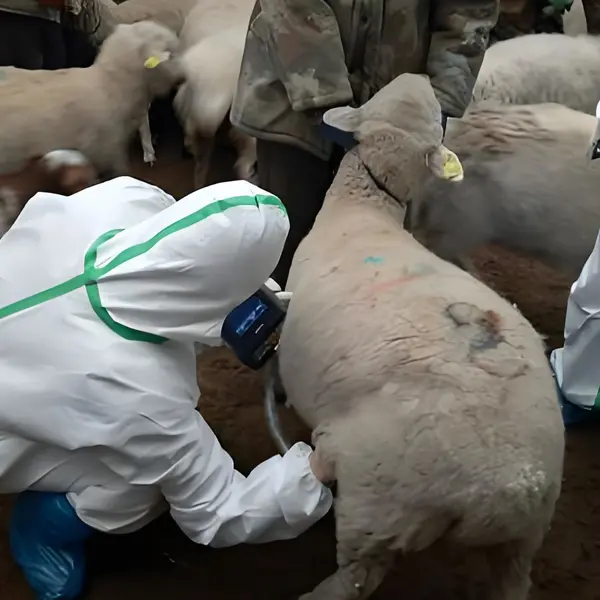 Read More
 -
Ultrasound Use in Veterinary Medicine: A Comprehensive Guide
October 28, 2024ultrasound has become an indispensable tool in Veterinary Medicine, revolutionizing the way veterinarians diagnose and treat animals. This non-invasive imaging technique provides real-time insights into a pet's internal health, allowing for timely interventions and improved patient outcomes. In this article, we will explore the various applications of ultrasound in veterinary medicine, its benefits, and what petRead More

Contact Us
Recommended Products
-
 BXL-V10Ⅲ Portable Veterinary Ultrasound for AnimaleUS$ 1070 - 1400MOQ: 2 Boxes
 -
BXL-V60 Portable Veterinary Ultrasound for AnimaleNegotiableMOQ: 2 Boxes
-
BXL-V50 Portable Veterinary Ultrasound for AnimaleUS$ 2000 - 2800MOQ: 2 Boxes
-
HJL-DY30 Professional Version of Small Animal Doppler Ultrasound Diagnostic InstrumentCNY 125000 - 195000MOQ: 2 Parcels
-
Color Doppler Cattle OPU Veterinary Ultrasound Machine BXL-DB20CNY 195000 - 320000MOQ: 2 Pieces




-
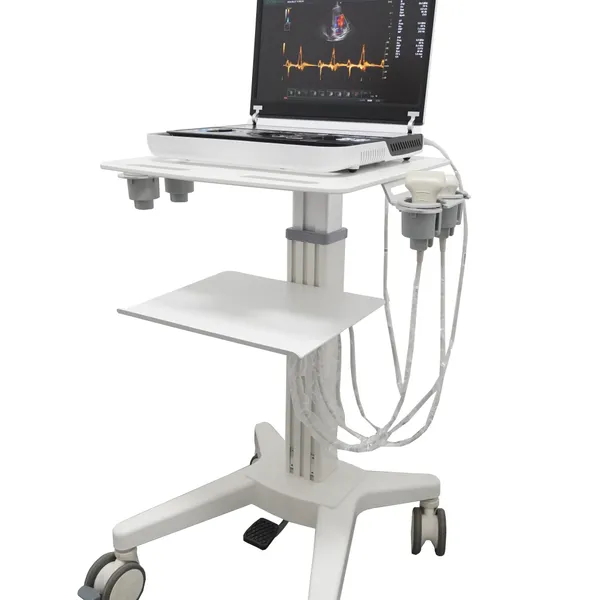
Veterinary Color Doppler Ultrasound for Animale BXL-DZ20CNY 138000 - 165000MOQ: 2 Pieces
-
Portable Wireless Ultrasound Instrument BXL-s100 for Veterinary Cattle and SheepCNY 13800 - 27600MOQ: 2 Pieces
-
Portable Ultrasonic Instrument BXL-v60 for Veterinary Cattle and SheepCNY 43000 - 86000MOQ: 2 Pieces
-
Portable Ultrasonic Instrument BXL-v50 for Veterinary Cattle and SheepCNY 19000 - 38000MOQ: 2 Pieces
-
Ultrasonic Instrument BXL-V10Ⅲ for Veterinary Cattle and SheepUS$ 7500 - 8500MOQ: 2 Pieces