 Business License

Ultrasound Use in Veterinary Medicine: A Comprehensive Guide
ultrasound has become an indispensable tool in Veterinary Medicine, revolutionizing the way veterinarians diagnose and treat animals. This non-invasive imaging technique provides real-time insights into a pet's internal health, allowing for timely interventions and improved patient outcomes. In this article, we will explore the various applications of ultrasound in veterinary medicine, its benefits, and what pet owners should know about this technology.
What is Ultrasound in Veterinary Medicine?Ultrasound in veterinary medicine is a diagnostic imaging technique that utilizes high-frequency sound waves to create detailed images of internal organs and structures in animals. Unlike X-rays, which provide static images, ultrasound allows veterinarians to see moving organs and assess blood flow, making it an invaluable tool for diagnosing a wide range of conditions.
Applications of Ultrasound in Veterinary MedicineAbdominal Imaging:
Ultrasound is commonly used to evaluate abdominal organs such as the liver, kidneys, spleen, and bladder. It helps diagnose conditions like tumors, cysts, organ enlargement, and internal bleeding.
Cardiac Assessments:
Echocardiography, a specialized form of ultrasound, allows veterinarians to assess heart size, function, and blood flow. This is crucial for diagnosing heart disease and congenital heart defects in pets.
Reproductive Health:
Ultrasound plays a vital role in reproductive assessments. It can confirm pregnancies, monitor fetal health, and evaluate reproductive organs in both male and female animals, aiding breeders and pet owners.
Soft Tissue Imaging:
Ultrasound is effective for examining soft tissues and muscles, helping identify issues such as abscesses, fluid collections, and foreign bodies that may not be visible through other imaging methods.
Guided Procedures:
Ultrasound can assist in guiding biopsies or fluid aspirations, ensuring accuracy and minimizing trauma to surrounding tissues. This enhances the safety and effectiveness of these procedures.
Non-Invasive:
One of the key advantages of ultrasound is that it is a non-invasive procedure. This minimizes stress and discomfort for pets compared to surgical explorations.
Real-Time Imaging:
The ability to view organs in motion allows veterinarians to assess organ function and blood flow, leading to more accurate diagnoses and better treatment decisions.
Quick Results:
Many ultrasound procedures can be completed in 30 to 60 minutes, allowing for timely diagnosis and treatment planning.
Enhanced Diagnostic Capabilities:
Ultrasound can detect conditions that may not be visible with traditional imaging methods, enabling earlier intervention and improved outcomes for pets.
Minimal Recovery Time:
Since ultrasound is non-invasive and requires no anesthesia in most cases, pets typically experience minimal recovery time, allowing them to return to their normal activities quickly.
Preparation:
Depending on the type of ultrasound, your veterinarian may recommend fasting your pet for several hours prior to the procedure, particularly for abdominal scans.
Understanding the Procedure:
During the ultrasound, a special gel will be applied to your pet’s skin to facilitate sound wave transmission. The veterinarian will use a transducer to capture images of the internal organs.
Cost Considerations:
The cost of Veterinary Ultrasound exams can vary widely, typically ranging from $300 to $600. It’s advisable to discuss costs with your veterinarian beforehand.
Follow-Up Care:
Based on the ultrasound findings, your veterinarian may recommend additional tests or treatments. Be prepared for follow-up visits as needed to monitor your pet's health.
Communication with Your Veterinarian:
Always communicate openly with your veterinarian about your concerns and questions regarding the ultrasound process and its implications for your pet’s health.
Recently Posted
-
Veterinary Radiology and Ultrasound: Essential Diagnostic Tools for Pet Health
October 28, 2024In the field of Veterinary Medicine, accurate diagnosis is crucial for effective treatment and improved outcomes. Veterinary radiology and ultrasound are two essential diagnostic tools that have revolutionized how veterinarians assess the health of animals. In this article, we will explore the roles of radiology and ultrasound in veterinary practice, their differences, applications, benefits, and what pet ownerRead More -
Handheld Veterinary Ultrasound Probe: A Game Changer in Animal Diagnostics
October 28, 2024The evolution of Veterinary Medicine has seen significant advancements in diagnostic tools, with the handheld Veterinary Ultrasound probe standing out as a transformative technology. This portable device offers veterinarians the ability to perform real-time imaging, enhancing the diagnostic process for pets in various settings. In this article, we will explore the features, benefits, applications, and consRead More -
Veterinary Ultrasound Scan Image: Understanding Your Pet's Health
October 28, 2024Veterinary ultrasound scans are invaluable diagnostic tools that provide real-time images of a pet’s internal organs and structure Read More
 -
Ultrasound for Veterinary Use: A Comprehensive Guide
October 28, 2024ultrasound technology has transformed the field of Veterinary Medicine, offering veterinarians a powerful tool for diagnosing and managing various health issues in pets. This non-invasive imaging technique provides real-time insights into a pet’s internal structures, making it essential for accurate assessments. In this article, we will explore the uses, benefits, and significance of Ultrasound for Veterinary&nRead More

Contact Us
Recommended Products
-
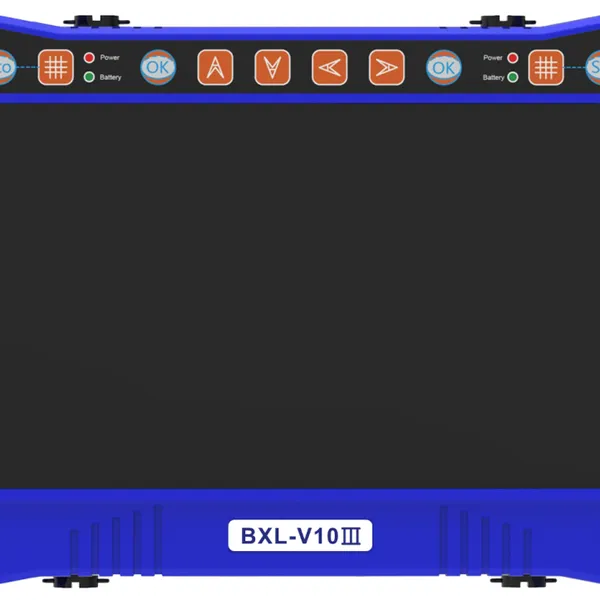
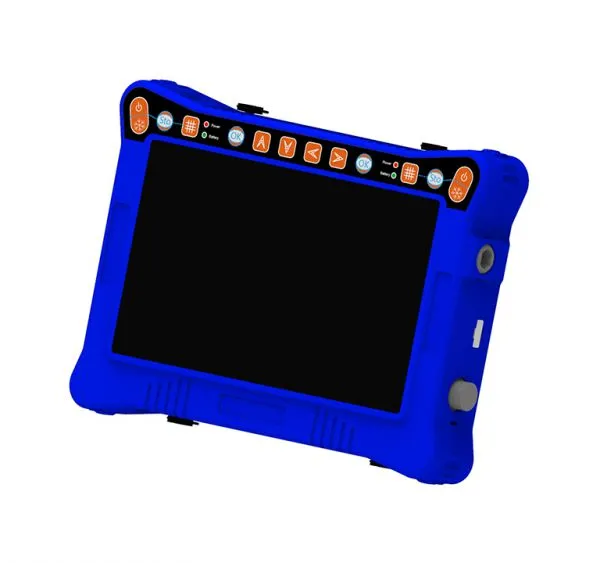
 BXL-V10Ⅲ Portable Veterinary Ultrasound for AnimaleUS$ 1070 - 1400MOQ: 2 Boxes
 -
BXL-V60 Portable Veterinary Ultrasound for AnimaleNegotiableMOQ: 2 Boxes
-
BXL-V50 Portable Veterinary Ultrasound for AnimaleUS$ 2000 - 2800MOQ: 2 Boxes
-
HJL-DY30 Professional Version of Small Animal Doppler Ultrasound Diagnostic InstrumentCNY 125000 - 195000MOQ: 2 Parcels
-
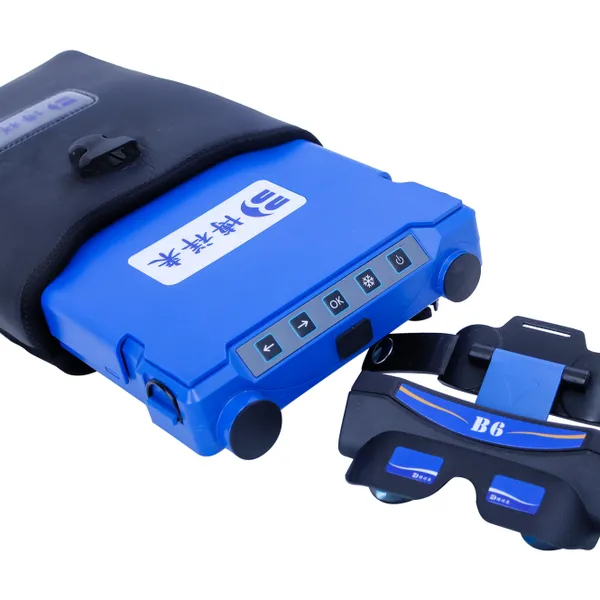
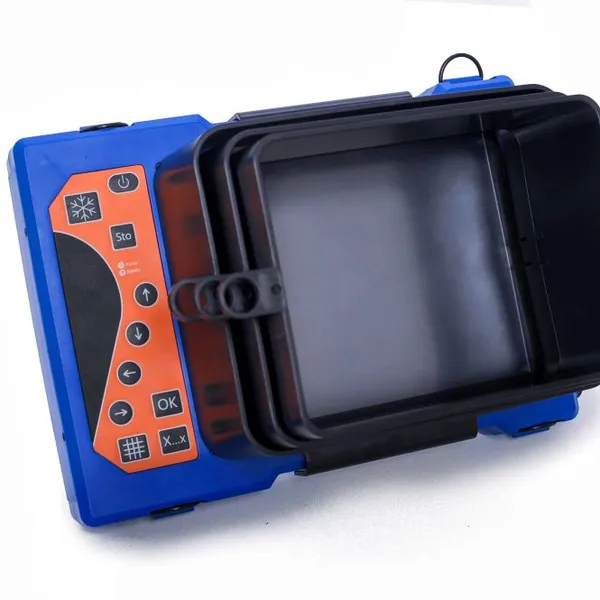
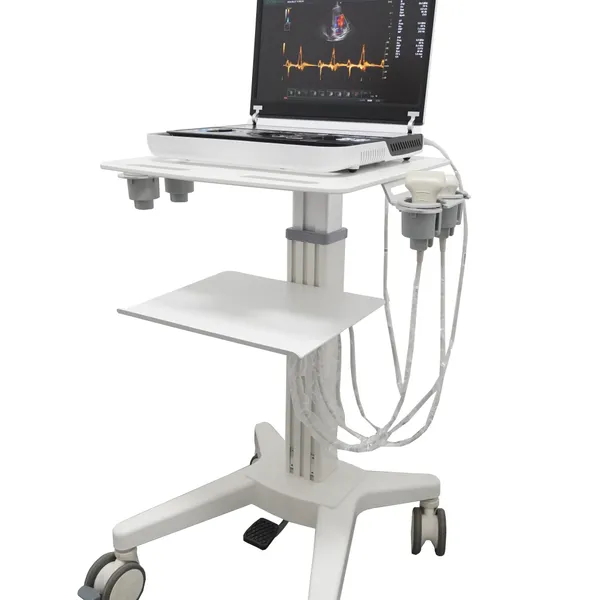
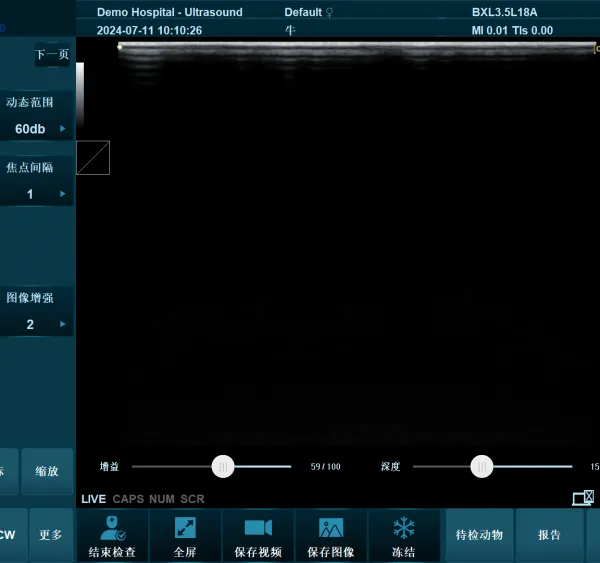
Color Doppler Cattle OPU Veterinary Ultrasound Machine BXL-DB20CNY 195000 - 320000MOQ: 2 Pieces
-
Veterinary Color Doppler Ultrasound for Animale BXL-DZ20CNY 138000 - 165000MOQ: 2 Pieces
-
Portable Wireless Ultrasound Instrument BXL-s100 for Veterinary Cattle and SheepCNY 13800 - 27600MOQ: 2 Pieces
-
Portable Ultrasonic Instrument BXL-v60 for Veterinary Cattle and SheepCNY 43000 - 86000MOQ: 2 Pieces
-
Portable Ultrasonic Instrument BXL-v50 for Veterinary Cattle and SheepCNY 19000 - 38000MOQ: 2 Pieces
-
Ultrasonic Instrument BXL-V10Ⅲ for Veterinary Cattle and SheepUS$ 7500 - 8500MOQ: 2 Pieces