 Business License

Ultrasound for Veterinary Use: A Comprehensive Guide
ultrasound technology has transformed the field of Veterinary Medicine, offering veterinarians a powerful tool for diagnosing and managing various health issues in pets. This non-invasive imaging technique provides real-time insights into a pet’s internal structures, making it essential for accurate assessments. In this article, we will explore the uses, benefits, and significance of Ultrasound for Veterinary use.
What is Ultrasound in Veterinary Medicine?Ultrasound in veterinary medicine involves using high-frequency sound waves to create images of a pet’s internal organs and tissues. Unlike X-rays, which provide static images, ultrasound allows veterinarians to visualize moving structures, such as the heart and blood flow. This dynamic imaging helps in diagnosing a variety of conditions and tailoring treatment plans for pets.
Common Applications of Ultrasound for Veterinary UseVeterinary Ultrasound is versatile and can be applied in several areas, including:
1. Abdominal UltrasoundAbdominal ultrasounds are commonly performed to examine organs such as the liver, kidneys, spleen, and bladder. This procedure can help identify issues like:
Tumors
Cysts
Inflammation
Organ enlargement
Echocardiography is a specialized type of ultrasound used to evaluate heart function and structure. It can diagnose conditions such as:
Congenital heart defects
Heart murmurs
Valve diseases
Heart failure
Ultrasound is frequently used to assess reproductive health in pets. This includes:
Confirming pregnancies
Monitoring fetal development
Evaluating reproductive issues in male and female animals
Ultrasound technology can assist in guiding procedures such as biopsies or fluid aspirations. By providing real-time images, veterinarians can accurately target areas for sample collection, enhancing diagnostic accuracy.
Benefits of Ultrasound for Veterinary UseNon-Invasive and Safe: Ultrasound is a non-invasive procedure that does not involve radiation, making it safe for pets of all ages.
Real-Time Imaging: The ability to see moving images allows veterinarians to assess organ function and blood flow more effectively than with static imaging methods.
Quick and Efficient: Many ultrasound procedures can be completed within 30 to 60 minutes, providing timely information for diagnosis and treatment planning.
Versatility: Ultrasound can be used for a wide range of conditions, from abdominal issues to cardiac assessments, making it a valuable tool in many clinical settings.
Enhanced Diagnosis: Ultrasound can identify conditions that may not be visible through other diagnostic methods, leading to more accurate diagnoses and improved treatment outcomes.
Initial Consultation: The veterinarian will discuss your pet’s symptoms and medical history before the ultrasound begins.
Preparation: Depending on the type of ultrasound, the veterinarian may recommend fasting your pet for several hours prior to the procedure.
The Procedure: Your pet will be placed on a table, and a special gel will be applied to their skin to help transmit sound waves. The veterinarian will use a transducer to capture images of the internal organs.
Results Discussion: After the ultrasound, the veterinarian will review the images with you, explaining any findings and discussing potential next steps or treatment options.
Recently Posted
-
Veterinary Radiology and Ultrasound: Essential Diagnostic Tools for Pet Health
October 28, 2024In the field of Veterinary Medicine, accurate diagnosis is crucial for effective treatment and improved outcomes. Veterinary radiology and ultrasound are two essential diagnostic tools that have revolutionized how veterinarians assess the health of animals. In this article, we will explore the roles of radiology and ultrasound in veterinary practice, their differences, applications, benefits, and what pet ownerRead More -
Handheld Veterinary Ultrasound Probe: A Game Changer in Animal Diagnostics
October 28, 2024The evolution of Veterinary Medicine has seen significant advancements in diagnostic tools, with the handheld Veterinary Ultrasound probe standing out as a transformative technology. This portable device offers veterinarians the ability to perform real-time imaging, enhancing the diagnostic process for pets in various settings. In this article, we will explore the features, benefits, applications, and consRead More -
Veterinary Ultrasound Scan Image: Understanding Your Pet's Health
October 28, 2024Veterinary ultrasound scans are invaluable diagnostic tools that provide real-time images of a pet’s internal organs and structure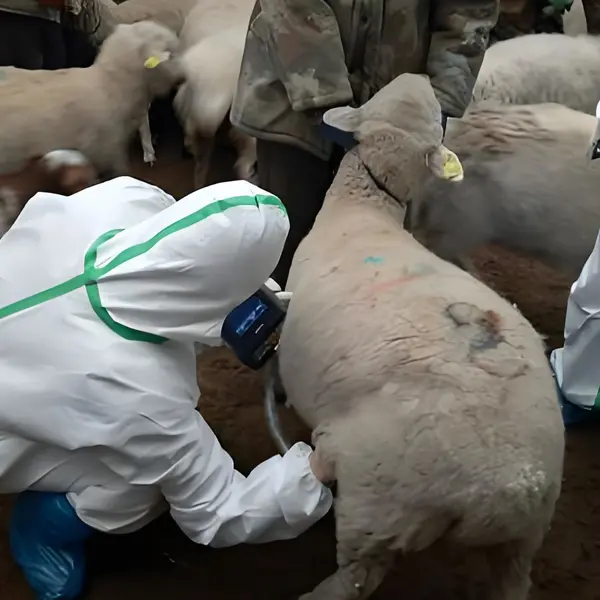 Read More
 -
Ultrasound Use in Veterinary Medicine: A Comprehensive Guide
October 28, 2024ultrasound has become an indispensable tool in Veterinary Medicine, revolutionizing the way veterinarians diagnose and treat animals. This non-invasive imaging technique provides real-time insights into a pet's internal health, allowing for timely interventions and improved patient outcomes. In this article, we will explore the various applications of ultrasound in veterinary medicine, its benefits, and what petRead More

Contact Us
Recommended Products
-
 BXL-V10Ⅲ Portable Veterinary Ultrasound for AnimaleUS$ 1070 - 1400MOQ: 2 Boxes
 -
BXL-V60 Portable Veterinary Ultrasound for AnimaleNegotiableMOQ: 2 Boxes
-
BXL-V50 Portable Veterinary Ultrasound for AnimaleUS$ 2000 - 2800MOQ: 2 Boxes
-
HJL-DY30 Professional Version of Small Animal Doppler Ultrasound Diagnostic InstrumentCNY 125000 - 195000MOQ: 2 Parcels
-
Color Doppler Cattle OPU Veterinary Ultrasound Machine BXL-DB20CNY 195000 - 320000MOQ: 2 Pieces
-
Veterinary Color Doppler Ultrasound for Animale BXL-DZ20CNY 138000 - 165000MOQ: 2 Pieces
-
Portable Wireless Ultrasound Instrument BXL-s100 for Veterinary Cattle and SheepCNY 13800 - 27600MOQ: 2 Pieces
-
Portable Ultrasonic Instrument BXL-v60 for Veterinary Cattle and SheepCNY 43000 - 86000MOQ: 2 Pieces
-
Portable Ultrasonic Instrument BXL-v50 for Veterinary Cattle and SheepCNY 19000 - 38000MOQ: 2 Pieces
-
Ultrasonic Instrument BXL-V10Ⅲ for Veterinary Cattle and SheepUS$ 7500 - 8500MOQ: 2 Pieces