 Business License

Ultrasound Veterinary Machine: Revolutionizing Pet Diagnostics
In the world of Veterinary Medicine, advancements in technology play a crucial role in improving diagnostics and patient care. One such innovation is the ultrasound veterinary machine, which has become an indispensable tool for veterinarians. This article will delve into what an Ultrasound Veterinary machine is, how it works, its benefits, and considerations for pet owners.
What is an Ultrasound Veterinary Machine?An ultrasound veterinary machine is a diagnostic imaging device that uses high-frequency sound waves to create real-time images of a pet's internal structures. Unlike X-rays, which provide static images, ultrasound allows veterinarians to see moving organs and blood flow, offering a dynamic view of a pet’s health.
How Does an Ultrasound Veterinary Machine Work?The ultrasound machine consists of several key components:
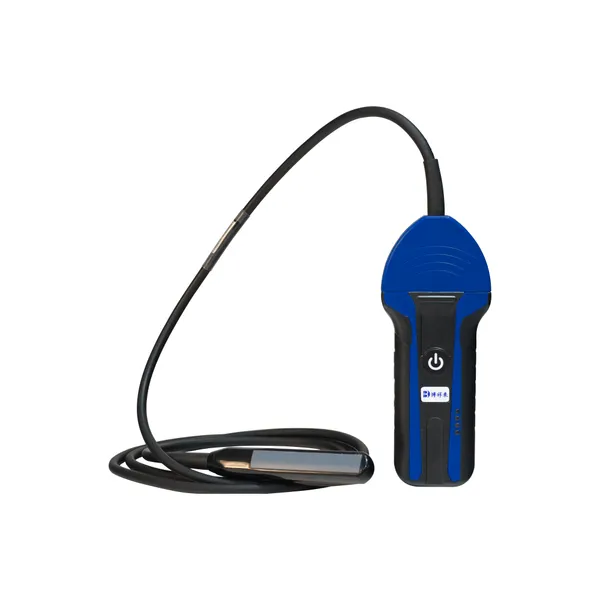
Transducer: This handheld device emits sound waves and captures the echoes that bounce back from internal structures. Different types of transducers are used depending on the area being examined.
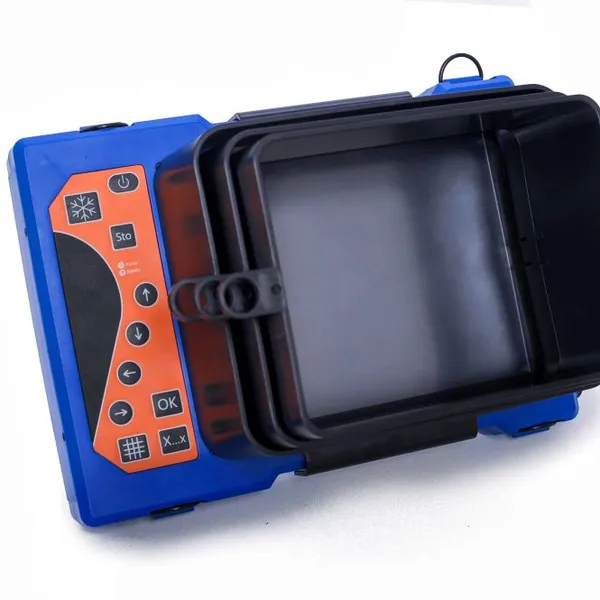
Control Panel: The veterinarian operates the machine through a control panel, adjusting settings such as frequency and gain to optimize image quality.
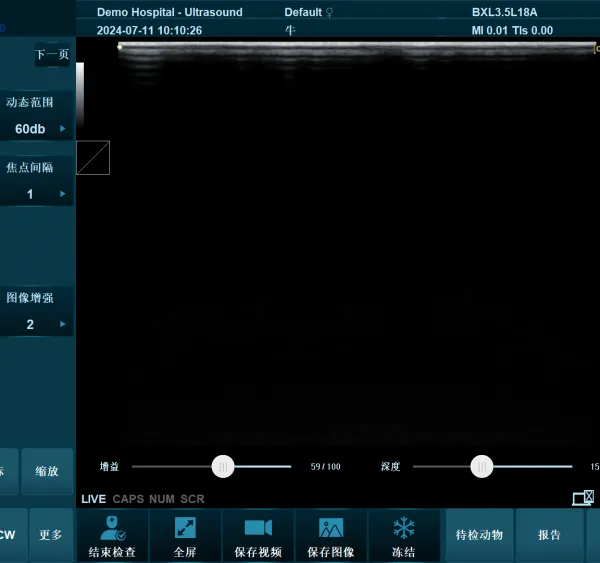
Computer Monitor: The real-time images generated by the ultrasound machine are displayed on a monitor, allowing the veterinarian to interpret the data and make diagnoses.
Ultrasound Gel: A special gel is applied to the pet’s skin to facilitate the transmission of sound waves and improve image clarity.
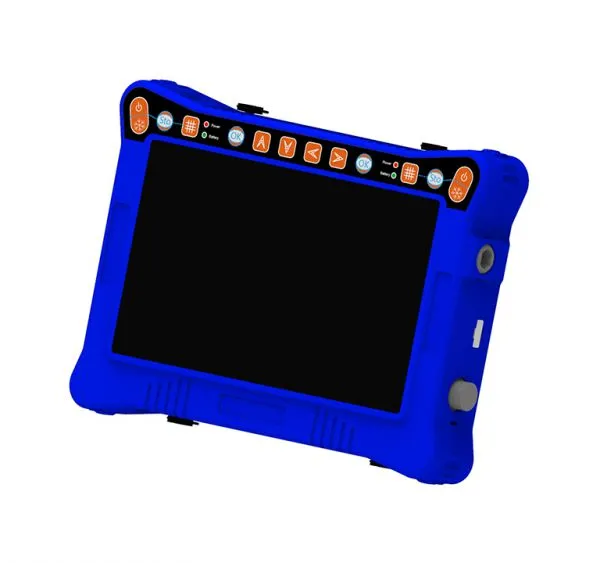
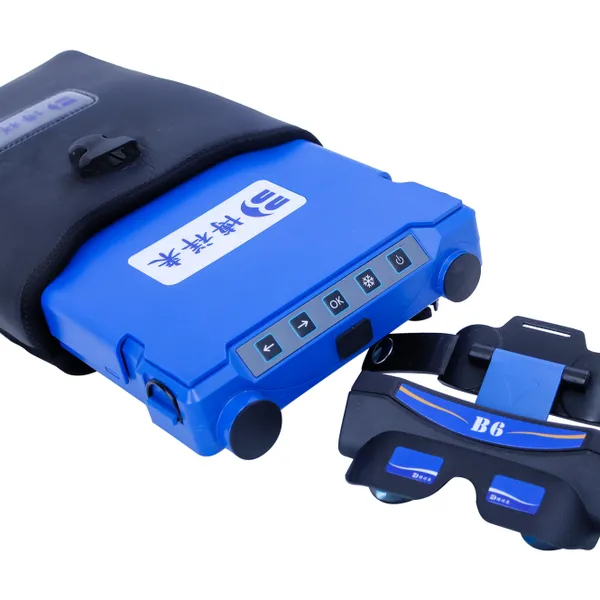
Portable ultrasound machines: These compact devices are ideal for on-the-go diagnostics in clinics or during emergencies. Their lightweight design allows for easy transport and setup.
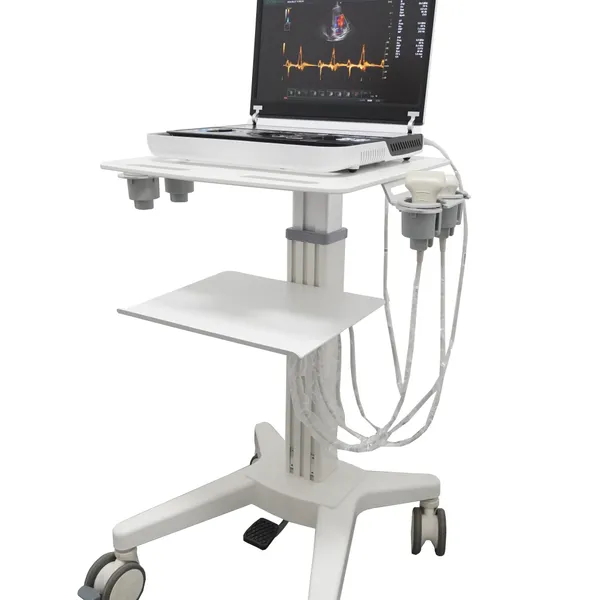
Stationary Ultrasound Machines: Typically found in larger veterinary hospitals, these machines offer advanced features and higher-resolution imaging, making them suitable for complex diagnostics.
Doppler Ultrasound Machines: Used specifically for cardiac evaluations, these machines assess blood flow and can detect abnormalities in heart function.
Non-Invasive Procedure: Ultrasound is a safe, non-invasive imaging technique that doesn’t involve radiation, making it suitable for pets of all ages.
Real-Time Imaging: The ability to view moving images helps veterinarians assess organ function and blood flow, providing crucial information for accurate diagnoses.
Versatility: Ultrasound can be used to examine various body systems, including the abdominal organs, heart, and even reproductive systems, making it a valuable tool in many clinical scenarios.
Quick Results: Many ultrasound procedures can be completed within 30 to 60 minutes, allowing for timely diagnosis and treatment planning.
Enhanced Diagnosis: Ultrasound can help identify conditions such as tumors, cysts, organ enlargement, and heart disease, often leading to earlier intervention and better outcomes for pets.
Recently Posted
-
Veterinary Radiology and Ultrasound: Essential Diagnostic Tools for Pet Health
October 28, 2024In the field of Veterinary Medicine, accurate diagnosis is crucial for effective treatment and improved outcomes. Veterinary radiology and ultrasound are two essential diagnostic tools that have revolutionized how veterinarians assess the health of animals. In this article, we will explore the roles of radiology and ultrasound in veterinary practice, their differences, applications, benefits, and what pet ownerRead More -
Handheld Veterinary Ultrasound Probe: A Game Changer in Animal Diagnostics
October 28, 2024The evolution of Veterinary Medicine has seen significant advancements in diagnostic tools, with the handheld Veterinary Ultrasound probe standing out as a transformative technology. This portable device offers veterinarians the ability to perform real-time imaging, enhancing the diagnostic process for pets in various settings. In this article, we will explore the features, benefits, applications, and consRead More -
Veterinary Ultrasound Scan Image: Understanding Your Pet's Health
October 28, 2024Veterinary ultrasound scans are invaluable diagnostic tools that provide real-time images of a pet’s internal organs and structure Read More
 -
Ultrasound Use in Veterinary Medicine: A Comprehensive Guide
October 28, 2024ultrasound has become an indispensable tool in Veterinary Medicine, revolutionizing the way veterinarians diagnose and treat animals. This non-invasive imaging technique provides real-time insights into a pet's internal health, allowing for timely interventions and improved patient outcomes. In this article, we will explore the various applications of ultrasound in veterinary medicine, its benefits, and what petRead More

Contact Us
Recommended Products
-
 BXL-V10Ⅲ Portable Veterinary Ultrasound for AnimaleUS$ 1070 - 1400MOQ: 2 Boxes
 -
BXL-V60 Portable Veterinary Ultrasound for AnimaleNegotiableMOQ: 2 Boxes
-
BXL-V50 Portable Veterinary Ultrasound for AnimaleUS$ 2000 - 2800MOQ: 2 Boxes
-
HJL-DY30 Professional Version of Small Animal Doppler Ultrasound Diagnostic InstrumentCNY 125000 - 195000MOQ: 2 Parcels
-
Color Doppler Cattle OPU Veterinary Ultrasound Machine BXL-DB20CNY 195000 - 320000MOQ: 2 Pieces
-
Veterinary Color Doppler Ultrasound for Animale BXL-DZ20CNY 138000 - 165000MOQ: 2 Pieces
-
Portable Wireless Ultrasound Instrument BXL-s100 for Veterinary Cattle and SheepCNY 13800 - 27600MOQ: 2 Pieces
-
Portable Ultrasonic Instrument BXL-v60 for Veterinary Cattle and SheepCNY 43000 - 86000MOQ: 2 Pieces
-
Portable Ultrasonic Instrument BXL-v50 for Veterinary Cattle and SheepCNY 19000 - 38000MOQ: 2 Pieces
-
Ultrasonic Instrument BXL-V10Ⅲ for Veterinary Cattle and SheepUS$ 7500 - 8500MOQ: 2 Pieces